Before we get into tents and its features, a quick question :
Do we even need tents for our camping trip?
Well, we all would love to make our camping trip nice and cosy , So If you are camping in New Zealand or anywhere in the words , It is necessary to have best tents.
So the answer is very obvious – YES !
So grab your hiking boots, gears , water bottle and let’s dive into the wonderful world of tents !
TL;DR:
- Essential for comfort and safety
- Provides shelter from weather
- Key to a successful camping trip
we may earn a commission from your purchases,thanks !
Basic of Tents
First thing first , let’s start with some basics. tents comes in various sizes and shapes, designed for different purposes and weather conditions. Understanding these basics will help you choose the right tent for your kiwi camping adventure.
Types of Tents
Choosing the right tent depends on your needs, the number of people , and type of camping you plan to do. Here’s a rundown of popular tent types:
- Dome Tent
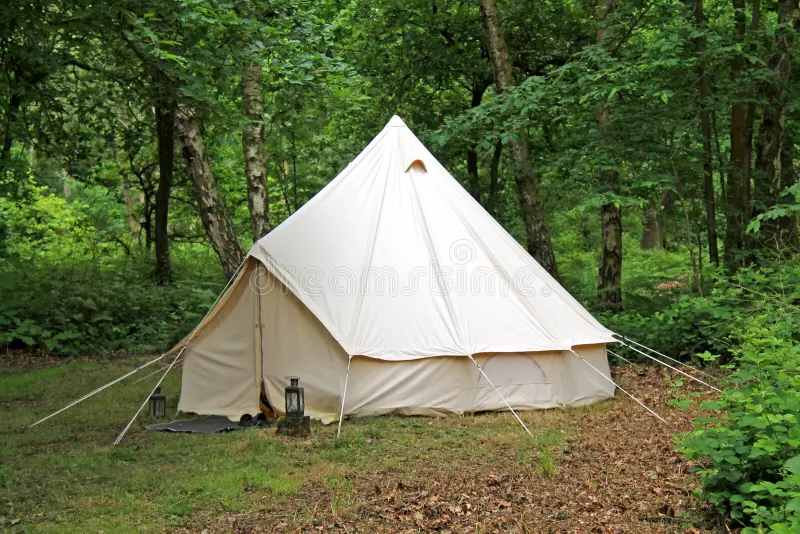
Dome Tent
Fill in your product description here. Add your product image to the left. If you are using an Amazon Affiliate image, use a ‘Custom HTML’ block instead of an image block and paste in your image code from Amazon. Add your product link to the button below.
- Shape: Dome
- Best For: Versatility and stability in various conditions
- Advantages: Easy to set up, wind-resistant
Product Pros
Product Cons
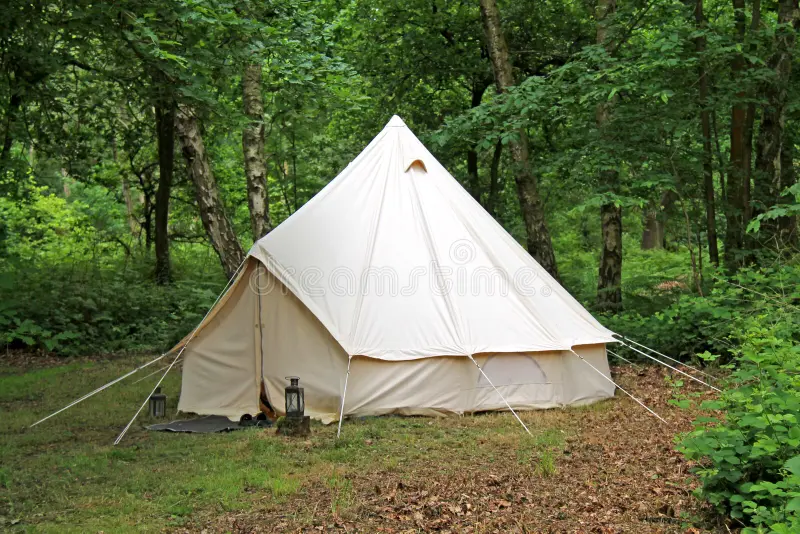
- Canvas Tent
- Material: Heavy-duty canvas
- Best For: Long-term camping
- Advantages : Durable, excellent insulation , breathable
- Ultralight Tent
- Weight : Extremely light
- Best For : Backpacking and hiking
- Advantages : Easy to carry, quick to set up
- Multi-Room Tent
- Features: Multiple compartments
- Best For : Family Camping
- Advantages : SPacious, privacy, multiple entry points
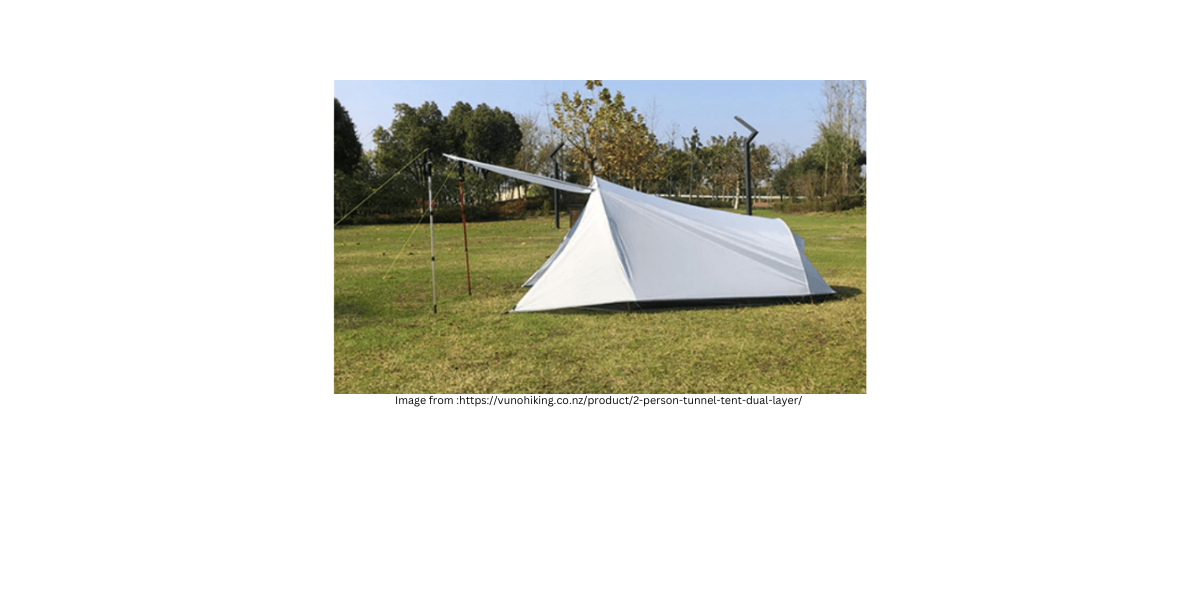
- Tunnel Tent
- Shape: Tunnel
- Best For: Windy conditions
- Advantages: High wind resistance, spacious
- Pop-Up Tent
- Setup: Instant setup
- Best For: Convenience
- Advantages: Quick to pitch, ideal for beginners
- Hammock tent
- Design: Hammock-style
- Best For: Forest Camping
- Advantages: Off-ground sleeping, compact
- Inflatable tent
- Setup: Air poles
- Best For: Ease of setup
- Advantages: Quick setup, sturdy once inflated
- Instant Tent
- Setup: Pre-attached poles
- Best For: Quick camping trips
- Advantages: Very fast setup, convenient
- Bivy Tent
- Size: Small, single-person
- Best For: Minimalist camping
- Advantages: Lightweight, compact
- Beach Tent
- Design : Open front, UV protection
- Best For: Beach outings
- Advantages: Sun protection, easy to set up
- Rooftop Tent
- Mount: Vehicle rooftop
- Best For: Overlanding
- Advantages: Elevated sleeping, quick setup
- Bell Tent
- Shape: Bell-shaped
- Best For: Glamping
- Advantages: Spacious, stylish, comfortable
- Backpacking Tent
- Weight: lightweight
- Best For: Long hikes
- Advantages: Easy to carry, compact
- Hiking Tent
- Design: Lightweight and durable
- Best For: Hikers
- Advantages: Portable, easy to set up
How to Choose Right Tent
Choosing the right tent is crucial for a successful camping trip in new Zealand. With so many options available, it can be overwhelming to decide which one is best suited to your needs. Here are some factors to consider:
Capacity: How Many People Will It Need to Accommodate?
Solo Camping: If you’re camping alone, a single-person or bivy tent is often sufficient. These tents are compact and lightweight, making them ideal for solo travellers.
Couples: For two people, a two-person tent provides enough space for sleeping and storing some gear. Consider a three-person tent for extra comfort.
Families: Family camping requires more space. Multi-room tents are great for providing privacy and extra storage. Look for tents that can comfortably fit all members plus additional space for gear.
Groups: Larger groups may need multiple tents or a large, communal tent. Ensure there’s ample room for everyone and consider tents with multiple entrances to avoid congestion.
Weight: Will You Be Carrying It for Long Distances?
Hiking: For hikers, balance weight with durability. Look for tents made from lightweight but strong materials that can withstand various weather conditions.
Backpacking: If you’re backpacking, weight is a critical factor. Ultralight tents are designed for minimal weight without sacrificing comfort. Aim for a tent that weighs less than 2 kg (4.4 lbs) for ease of transport.
Car Camping: Weight is less of an issue for car camping. You can afford to choose a heavier, more spacious tent since you won’t be carrying it far from your vehicle.
Weather: What Kind of Weather Will You Encounter?
Summer: In warm weather, ventilation is key. Choose a tent with plenty of mesh panels for airflow. A lightweight, three-season tent is usually sufficient.
Winter: Winter camping requires a tent that can handle snow and strong winds. Look for four-season tents with strong poles, robust fabrics, and full-coverage rainflies.
Windy Areas: Tunnel and geodesic tents are designed to withstand strong winds. Look for tents with low profiles and secure guy lines.
Rainy Conditions: For areas with heavy rainfall, waterproofing is essential. Tents with high waterproof ratings (measured in millimetres) and full-coverage rainflies are best. Ensure the tent has a high bathtub floor to prevent water from seeping in.
Durability: How Long Do You Need It to Last?
Material Quality: Look for tents made from high-denier fabrics, which are more resistant to wear and tear. Ripstop nylon and polyester are common durable materials.
Construction: Double-stitched seams, reinforced stress points, and high-quality zippers contribute to a tent’s overall durability.
Pole Material: Aluminium poles are stronger and more durable than fibreglass poles. They are also more resilient in windy conditions.
Intended Use: If you’re planning frequent camping trips or harsh conditions, invest in a high-quality tent from reputable brands like MSR, The North Face, or BlackWolf. For occasional use, a mid-range tent may suffice.
Ease of Setup: How Quickly Can You Pitch It?
Instant Tents: Perfect for beginners or those who want to spend less time setting up. These tents have pre-attached poles that allow for quick and easy setup.
Pop-Up Tents: These are extremely convenient but can be bulky when packed. Ideal for casual camping trips where speed is a priority.
Traditional Tents: While they may take longer to pitch, traditional tents offer more versatility and often greater durability. Practice setting up your tent at home to become familiar with the process.
Setting Up Your Tent
Setting up your tent is crucial for comfort and safety. Follow these general steps:
- Choose the Right Spot: Flat, dry ground away from hazards
- Lay Out the Footprint: Protects your tent floor
- Assembles the Poles: Follow the tent’s instructions
- Secure the Tent: Stake down the corners and guy lines
- Add the Rainfly: Provides additional weather protection
Maintaining and Caring for Your Tent
Ensuring your tent lasts for many trips requires proper maintenance and care. Here are some detailed tips to help you keep your tent in top condition:
Clean Regularly: Remove Dirt and Debris After Each Use
Shake Out Debris: After each camping trip, shake out your tent to remove dirt, sand, and other debris. This prevents abrasion and keeps the interior clean.
Ventilation: Hang your tent up to air it out, especially if it has been exposed to moisture. Proper ventilation helps eliminate any lingering odours and prevents mildew.
Zipper Care: Keep zippers clean by brushing out dirt and sand. You can also lubricate them occasionally with a silicone-based lubricant or any other proper material to ensure smooth operation.
Spot Clean: Use a sponge or cloth with mild soap and water to spot clean any dirty areas. Avoid harsh detergents that can damage the fabric.
Store Dry: Prevents Mould and Mildew
Dry Thoroughly: Before storing your tent, make sure it is completely dry. This includes the tent body, rainfly, and footprint. Even small amounts of moisture can lead to mould and mildew growth.
Cool, Dry Place: Store your tent in a cool, dry place away from direct sunlight. Prolonged exposure to UV rays can weaken the fabric and coatings.
Loose Storage: Store your tent loosely in a breathable bag, rather than tightly packed in its stuff sack. This allows air circulation and prevents fabric from deteriorating.
Repair Promptly: Fix Any Tears or Damage Immediately
Pole Repairs: Bent or broken poles can often be repaired with pole repair sleeves. For significant damage, consider replacing the affected pole section.
Seam Sealing: Regularly inspect and reapply seam sealer to the seams of your tent, especially if you notice leaks during rainy conditions.
Patch Holes: For small holes or tears, use a patch kit to cover the damage. Ensure the area is clean and dry before applying the patch.
Repair Kits: Carry a tent repair kit on your trips, which typically includes patches, seam sealer, and repair tape. These kits are essential for quick fixes in the field.
Use a Groundsheet: Protects the Tent Floor
Clean Groundsheet: Keep the groundsheet clean and dry, and inspect it for any damage before each trip.
Footprint: Use a footprint or groundsheet under your tent to protect the floor from abrasion, moisture, and sharp objects. This extends the life of your tent floor.
Custom Fit: Choose a groundsheet that is slightly smaller than the tent floor to prevent water from pooling underneath during rain.
Additional Tips
Avoid Sun Exposure: UV rays can degrade tent fabrics over time. When possible, set up your tent in shaded areas or use a tarp for additional protection.
Ventilation: While camping, use the tent’s ventilation features to reduce condensation buildup inside. This keeps the interior dry and comfortable.
Proper Packing: When packing your tent, avoid over-compressing it. Fold it differently each time to prevent creases from forming in the same places.
By following these maintenance and care tips, you’ll ensure your tent remains in excellent condition, ready for many more adventures in the beautiful outdoors of New Zealand.
Wondering What next ? Time to Plan a Cosy Trip with Cozy Tents with Family and Friends !
Camping is a fantastic way to bond with family and friends, and having the right tent can make all the difference. Whether you’re planning a trip to the scenic shores or the lush forests of New Zealand, being prepared with the right gear will ensure a memorable and enjoyable experience.
FAQ
What is a good tent to buy ?
- It depends on your specific needs , but brands like Torpedo7 tents, Macpac tents, Kiwi camping tents and so on.
What tent is best for heavy rain ?
A dome or tunnel tent with a full-coverage rainfly is ideal for heavy rain.
What is the most reliable tent ?
Reliability often comes from a combination of good design, durable materials, and proper care.
Which tents are warmest ?
Canvas tents are excellent for insulation and warmth , making them ideal for colder weather.
How can you tell if a tent is good quality ?
Look for high-denier fabrics, strong seams, quality zippers, and positive user reviews.
By understanding the types of tents and how to choose and care from them, you’re well on your way to enjoying an unforgettable camping adventure in New Zealand, Happy camping !!